
The Silent Rise of Diabetes in Urban India
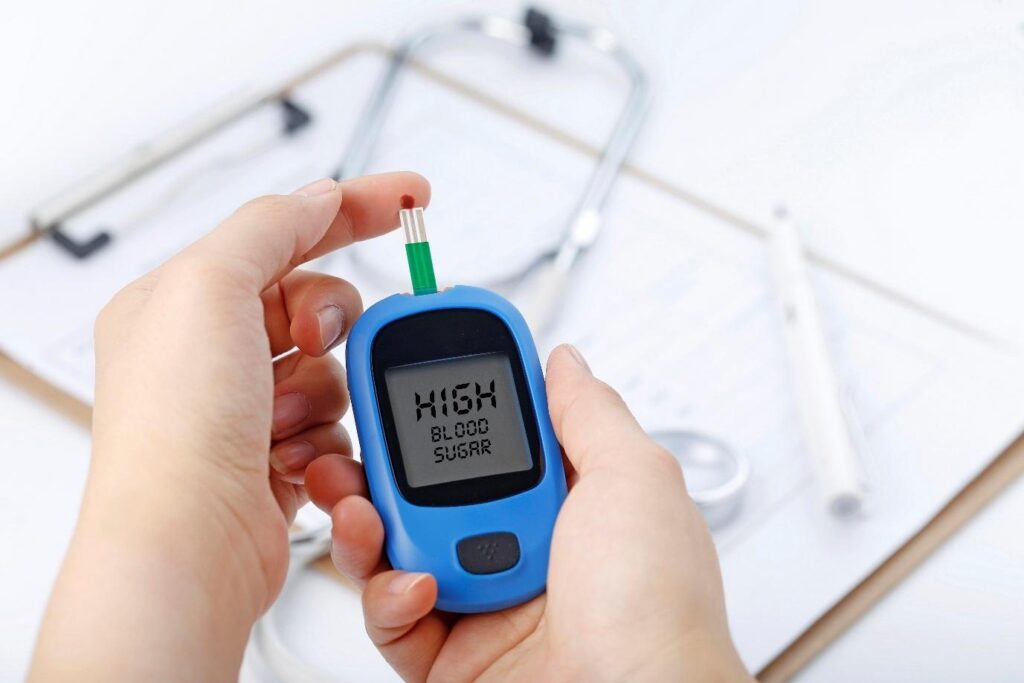
Diabetes mellitus has evolved from a rare medical condition into one of the most pressing health challenges of the modern era. Across rapidly expanding urban centers like Hyderabad—particularly in bustling residential and commercial hubs such as Manikonda—lifestyle changes, high-stress desk jobs, irregular eating habits, and reduced physical activity have created a fertile ground for metabolic disorders.
Often referred to as a “silent killer,” pre-diabetes and early-stage Type 2 diabetes frequently develop without dramatic warning signs. Many residents dismiss initial physical changes as mere fatigue from a long workday or normal aging. However, catching metabolic changes in their infancy is the single most effective way to prevent long-term complications affecting your heart, kidneys, eyes, and nerves.
As a leading multi-specialty healthcare provider embedded right in your neighbourhood, Bhoomi Hospitals in Manikonda emphasizes that awareness is your first line of defense. Below is an in-depth breakdown of the 10 early symptoms of diabetes you should never ignore, designed to help you and your family take
timely action.
1.Frequent Urination (Polyuria)
Why It Happens?
When you have diabetes, your body either cannot produce enough insulin or cannot effectively use the insulin it makes. This causes glucose (sugar) to accumulate in your bloodstream at abnormally high levels. Your kidneys are forced into overdrive, working extra hard to filter and absorb the excess sugar. When your kidneys reach their processing limit, the surplus glucose is excreted into your urine, dragging fluids along with it.
What to Look Out For:
● Waking up multiple times throughout the night (nocturia) to empty your bladder.
● Experiencing a sudden, urgent need to urinate more frequently during the day, even if your fluid intake hasn’t drastically changed.
2.Excessive Thirst (Polydipsia)
Why It Happens?
This symptom is a direct biological consequence of frequent urination. Because yourbody is constantly flushing out fluids to eliminate excess sugar, you become progressively dehydrated. Your brain triggers an intense survival mechanism—the sensation of thirst—to force you to replenish those lost fluids.
What to Look Out For:
● A dry mouth that persists even after drinking a glass of water.
● Constantly carrying a water bottle and feeling an insatiable thirst that regular hydration fails to satisfy.
3. Unexplained Weight Loss
Why It Happens?
Glucose is the primary fuel source for your body’s cells. In a healthy individual, insulin acts as a key that unlocks cells to let glucose in. When insulin is missing or ineffective, your cells are effectively starved of energy, even though your blood is full of sugar. To compensate for this energy deficit, your body panics and begins breaking down stored muscle tissue and fat at an accelerated rate for emergency
fuel.
What to Look Out For:
● Dropping 5 to 10 pounds or more over a few weeks without making any deliberate changes to your diet, exercise routine, or lifestyle habits.
● Looking or feeling noticeably gaunt despite eating regular or even increased portions of food.
4.Constant Fatigue and Exhaustion
Why It Happens?
Cellular energy starvation directly translates to systemic exhaustion. If glucose cannot enter your cells to be converted into ATP (cellular energy), your body operates on a perpetual “low battery” mode. Furthermore, the metabolic stress of processing fluctuating blood sugar levels drains your overall physical vitality.
What to Look Out For:
● Waking up after 7 to 8 hours of sleep feeling just as tired as when you went to bed.
● Experiencing a heavy, overwhelming crash in energy levels during the middle of the workday that cannot be fixed by coffee or snacks.
5.Blurry Vision
Why It Happens?
High concentrations of glucose in the bloodstream affect fluid levels throughout your body, including the delicate lenses inside your eyes. Sugar draws fluid into the eye
tissues, causing the lens to swell and change shape temporarily. This alters your eye’s ability to focus properly.
What to Look Out For:
● Sudden episodes where objects look hazy, out of focus, or smeared.
● Fluctuating vision clarity throughout the day depending on your blood sugar levels. (Note: Avoid rushing to change your prescription eyeglasses until you have checked your blood sugar with a clinician!)
6.Slow-Healing Cuts, Sores, and Bruises
Why It Happens?
Chronically elevated blood sugar damages your blood vessels over time, severely impairing efficient blood circulation. Poor circulation means essential oxygen, white blood cells, and nutrients cannot reach skin injuries quickly. Additionally, high glucose levels blunt your immune system’s response to pathogens.
What to Look Out For:
● Minor kitchen cuts, shaving nicks, or insect bites that linger for weeks without forming a proper scab.
● Scratches that become inflamed, red, or take an unusually long time to fade away cleanly.
7.Tingling or Numbness in Hands and Feet
Why It Happens?
Prolonged exposure to high blood sugar gradually damages the delicate peripheral nerves throughout your body—a condition known clinically as diabetic peripheral neuropathy. This nerve damage disrupts normal electrical signal transmission from your limbs back to your central nervous system.
What to Look Out For:
● A persistent “pins and needles” sensation in your fingers, palms, toes, or soles of your feet.
● Unexplained burning pain, coldness, or numbness that often worsens during nighttime hours.
8.Frequent Yeast or Skin Infections
Why It Happens?
Fungi, yeast, and bacteria thrive in environments rich in glucose. When your blood and bodily fluids carry excess sugar, it creates an ideal breeding ground for microbial growth, overwhelming your body’s natural defense barriers.
What to Look Out For:
● Recurrent urinary tract infections (UTIs) that keep returning shortly after treatment.
● Frequent skin boils, fungal rashes in body folds, or oral thrush.
9.Darkened Skin Patches (Acanthosis Nigricans)
Why It Happens?
This symptom is a visual physical marker of severe insulin resistance. When cells resist insulin, your pancreas pumps out even higher amounts of insulin to compensate. Excess circulating insulin stimulates rapid skin cell and melanin production, particularly in areas where skin folds together.
What to Look Out For:
● The development of thick, velvety, darkened patches of skin around the back of your neck, armpits, groin, or knuckles.
● Skin texture changes that do not wash away with regular soap and water.
10.Increased Hunger (Polyphagia)
Why It Happens?
Even though your blood is saturated with glucose, your body’s cells remain starved because insulin cannot shuttle that sugar inside. Your brain interprets this cellular famine as an absolute emergency and signals your appetite center to demand immediate fuel, creating a relentless cycle of hunger.
What to Look Out For:
● Feeling intensely hungry shortly after finishing a large, satisfying meal.
● Eating frequently throughout the day without ever feeling truly satiated or energized.
Comprehensive Health Services at Bhoomi Hospitals, Manikonda recognizing these early signs is only the first step; taking prompt, decisive clinical action protects your long-term well-being. Ignoring these symptoms can lead to severe systemic damage, including diabetic retinopathy, nephropathy,
cardiovascular complications, and chronic neuropathy.
If you are looking for an experienced diabetologist, advanced medical care is right in your neighborhood. Whether you require specialized type 2 diabetes treatment, type 1 diabetes treatment, or expert gestational diabetes treatment, our clinical team provides comprehensive evaluations.
At Bhoomi Hospitals, our multi-specialty facility brings together skilled diabetes specialists along with dedicated endocrinology services, advanced pathology laboratories, and specialized high blood sugar treatment protocols under one roof.
We also provide prompt care via an emergency diabetes doctor on standby for acute crises.
Why Choose Local Care at Bhoomi Hospitals?
● Accessible Location: Situated centrally in Manikonda, serving as your premier diabetes doctor in Hyderabad while saving you from exhausting cross-town traffic during health emergencies or routine follow-ups.
● Advanced Diagnostics: Quick, accurate blood glucose testing, HbA1c panels, and metabolic profile screenings with rapid turnaround times.
● Patient-First Approach: Clear, jargon-free consultations focused on empowering you and your family with practical lifestyle adjustments and personalized treatment plans.
Take Control of Your Health Today
Do not wait for symptoms to escalate into medical emergencies. If you notice any of these 10 early warning signs in yourself or a loved one, schedule a comprehensive health checkup at Bhoomi Hospitals today.
Your health is our life’s work.
📍 Location: Bhoomi Hospitals, Hyderabad.
📞 Book Your Advanced Assessment Today! Click Here
Author: Dr Bala Sundar Chintada
MBBS, FIDM (Diabetes Management)